
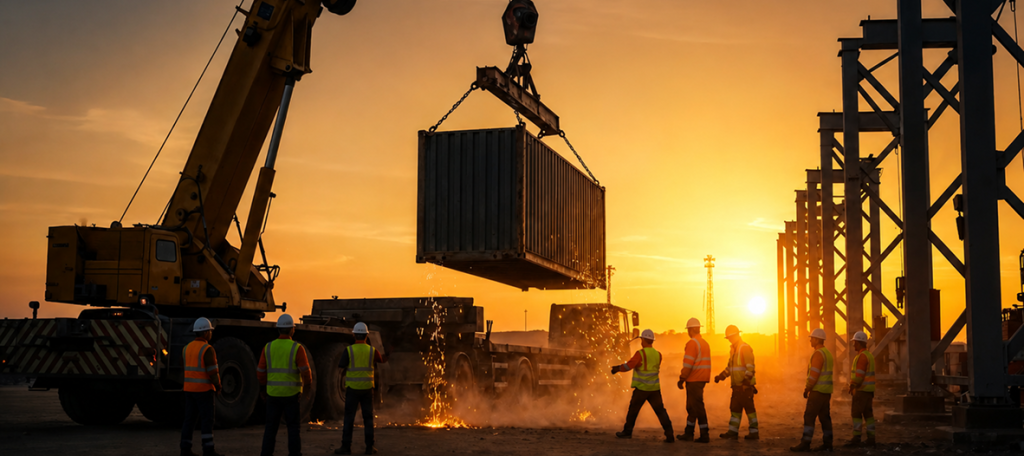
Speed Up Tight Project Schedules With Fast-Mobilizing Hydraulic Crane Services
A crane can have all the lifting power in the world and still be the wrong machine for a fast-moving job site. When crews are waiting, deliveries are stacked up, and multiple loads need to move before the shift ends, slow setup becomes more than an inconvenience. It becomes a bottleneck.
Hydraulic crane services help solve that problem with fast mobilization, efficient setup, strong lifting capacity, and precise control. This article explains how these advantages can protect tight commercial and industrial schedules, reduce unproductive waiting, and keep work moving when every hour matters.
Why Fast-Mobilizing Hydraulic Crane Services Can Protect a Tight Schedule
Fast-mobilizing hydraulic crane services can protect a tight project schedule by reducing the time between arriving on site and beginning productive lifting. Their telescoping booms extend hydraulically, avoiding the extensive on-site boom assembly required by some other crane configurations. For commercial and industrial projects where crews, deliveries, and other trades depend on the lift, that faster path to productive work can help prevent unnecessary delays from spreading through the schedule.
A crane rarely works in isolation. Steel crews may be waiting for structural components, mechanical contractors may need rooftop equipment placed before installation can continue, and delivery trucks may be occupying valuable site space while loads wait to move. One delay at the crane can quickly become a delay for everyone else.
After 24 years of Alberta-based lifting experience, one lesson stands out: minutes rarely stay minutes on a busy job site. Small delays can start a chain reaction involving labour, equipment, deliveries, and other trades. Fast mobilization does not replace good lift planning, but when the crane, crew, and site are properly matched, it can remove unnecessary dead time before the real work even begins.
How Hydraulic Power Gets the Crane Ready for Work Faster
Hydraulic power helps a crane get ready for work faster by using high-pressure fluid systems to extend and retract telescoping boom sections without requiring extensive on-site boom assembly. This self-contained design allows suitable hydraulic cranes to mobilize, establish the required setup, configure the boom, and move toward productive lifting efficiently, making them particularly useful when project schedules leave little room for unnecessary setup time.
On a busy commercial or industrial site, that advantage is easy to feel. Crews are not interested in watching a crane sit idle while the schedule keeps moving against them. They need the right equipment properly positioned, configured, and ready to perform the lifts that other work depends on.
The real advantage is not speed for the sake of speed. It is productive speed backed by proper planning. An experienced crane team still needs accurate load information, adequate access, suitable setup conditions, and a clear understanding of the lift. Get those pieces right, and hydraulic crane services can turn valuable site time into productive work instead of avoidable waiting.
Where Faster Crane Setup Makes the Biggest Difference
Faster crane setup makes the biggest difference on schedule-driven projects where crews, deliveries, installation work, or facility operations depend on lifting work being completed within a limited window. Commercial construction, rooftop HVAC installations, industrial maintenance, structural steel placement, and multi-lift projects can all benefit when the right hydraulic crane reduces unnecessary setup time and gets productive lifting underway efficiently.
The pressure looks different from one project to another, but the pattern is familiar. A mechanical contractor may have an HVAC unit ready for rooftop placement while an installation crew waits below. An industrial facility may need heavy equipment changed during a narrow maintenance window. A construction site may have several loads arriving in sequence, with little room to let materials pile up.
These are the jobs where efficiency becomes more than a nice selling point. It affects labour hours, equipment utilization, site congestion, and the ability of other trades to keep working. According to the Canadian Centre for Occupational Health and Safety, planning lifting operations requires consideration of factors such as the load, equipment capacity, ground conditions, overhead hazards, and surrounding workers. Faster mobilization has real value, but only when it works alongside careful planning and safe execution.
Why Hydraulic Cranes Work Well for Multiple Lifts Across a Busy Job Site
Hydraulic cranes work well for multiple lifts because their telescoping boom design, efficient setup, and mobility can allow them to complete one lifting task and move to another suitable setup location without the extensive disassembly associated with some larger crane configurations. On the right project, that agility can help crews complete more productive lifting within a single shift while reducing unnecessary downtime between lifts.
This matters on sites where the crane is not there to make one lift and leave. Structural materials may need placement in several areas, mechanical equipment may arrive at different times, or crews may need loads moved as work progresses across the site. Every relocation still requires proper planning and a suitable setup, but equipment that can transition efficiently between lifts gives project teams more flexibility when the day gets busy.
The real measure of a productive crane day is not how fast one load leaves the ground. It is how smoothly the lifting work supports everything happening around it. When several crews depend on the crane, keeping the lifting sequence organized and moving can make the difference between a productive shift and hours lost to waiting.
Fast Lifting Still Demands Precise Load Control
Fast hydraulic crane services do not mean rushing a load through the air. They mean reducing unnecessary setup delays while maintaining the precise, controlled movement required to position loads safely and accurately. Hydraulic controls allow experienced operators to make smooth adjustments during a lift, which becomes especially important when expensive or sensitive equipment must land within tight tolerances.
The last few feet often demand the most control. A rooftop HVAC unit may need to align with a prepared curb. A prefabricated steel component has to meet its connection points. Heavy machinery may need to settle into a confined space where nearby structures, equipment, or installation crews leave little room for unnecessary movement. Getting the load close is not enough. It has to land where the project needs it.
That is why speed and precision should never compete with each other. The right hydraulic crane can help reduce time spent getting ready for productive work, while an experienced operator controls the load according to the lift plan and actual site conditions. On a tight schedule, that combination matters because damaging a load or missing a critical placement does not save time. It creates more work.
Further Reading: Reduce Project Risks by Choosing Experienced Crane Services in Alberta
Which Projects Benefit Most From Fast-Mobilizing Hydraulic Crane Services?
Fast-mobilizing hydraulic crane services are particularly valuable for commercial construction, mechanical installations, industrial maintenance, structural placement, and other projects where quick setup, controlled lifting, or multiple lifts can directly affect the schedule. The best fit still depends on load weight, working radius, lift height, site access, ground conditions, and other project-specific requirements, so proper crane selection remains essential.
Common applications can include:
- Commercial construction: Placing structural components, roof trusses, prefabricated materials, and other heavy building elements where several trades may depend on the lifting sequence.
- HVAC and mechanical installation: Hoisting rooftop units, chillers, ventilation equipment, and other mechanical systems that require controlled placement.
- Industrial maintenance: Moving motors, pumps, valves, and heavy equipment during planned servicing, replacement work, or time-sensitive shutdowns.
- Multi-lift projects: Supporting sites where several loads need to move across different locations or stages of work during the same shift.
- Large residential and multi-family construction: Placing framing materials, trusses, and other heavy components efficiently as construction progresses.
The crane should always follow the project, not the other way around. A hydraulic crane may offer excellent speed and agility, but those advantages only matter when its capacity, configuration, reach, and setup requirements fit the actual lift. Experienced planning means looking beyond the tonnage on paper and understanding what the crane will face when it arrives.
What Information Helps Crane Services Get to Productive Work Faster?
Crane services can get to productive work more efficiently when the project team provides accurate information about the load, lift location, required placement, site access, working radius, ground conditions, overhead hazards, and scheduling constraints as early as possible. The clearer the project picture is before mobilization, the better the crane provider can evaluate equipment requirements, identify potential complications, and prepare for the actual conditions on site.
A few missing details can change more than people expect. The load may weigh exactly what the paperwork says, but the required working radius could demand a different crane configuration. Access may look wide enough until parked equipment, deliveries, or active work zones reduce the usable space. A lift planned for open ground can become a different job when overhead lines, nearby structures, or changing site conditions enter the picture.
Good information saves time because it gives experienced crane professionals something solid to plan around. Assumptions do the opposite. When the right details reach the crane team early, the conversation shifts from solving preventable surprises on lift day to executing a plan built around the realities of the job.
Why Fast Mobilization Still Depends on Proper Lift Planning
Fast mobilization only protects a project schedule when the crane, load, site conditions, and lifting sequence have been properly planned before work begins. Hydraulic cranes can reduce unnecessary setup time, but no equipment advantage can compensate for missing load details, unsuitable access, poor ground conditions, or a lifting plan that does not reflect what the crew will actually find on site.
That is the difference between moving quickly and simply rushing. Experienced crane professionals look beyond the basic question of whether a crane can lift the stated weight. They consider the working radius, boom configuration, setup area, load dimensions, surrounding hazards, weather conditions, and how the lift fits into everything else happening on the site.
The best lift days can look almost uneventful from the outside. The crane arrives, establishes the proper setup, the crew knows the sequence, and loads move where they need to go. That kind of efficiency is rarely accidental. Good planning makes difficult work look controlled.
How the Right Crane Operator Protects Speed, Precision, and Control
The right crane operator protects project efficiency by combining equipment knowledge, precise load control, site awareness, and sound judgement throughout the lift. A capable hydraulic crane provides the strength and responsiveness, but the operator determines how effectively that capability translates into controlled movement and productive work under real job-site conditions.
Experienced operators pay attention to what is happening beyond the controls. They watch how the load responds, account for changing conditions, communicate with the lifting team, and make adjustments when the site does not behave exactly as expected. A tight schedule does not remove the need for judgement. It makes good judgement even more valuable.
Machines provide capability. People turn that capability into results. When skilled operators work with properly maintained equipment and a well-developed lift plan, speed and precision stop competing with each other. They become part of the same disciplined approach to getting the work done safely and efficiently.
When Should You Choose Fast-Mobilizing Hydraulic Crane Services?
You should consider fast-mobilizing hydraulic crane services when your project requires efficient setup, precise load placement, multiple lifts, relocation between suitable setup areas, or productive lifting within a tight schedule. They can be particularly effective for commercial construction, HVAC and mechanical installation, industrial maintenance, structural placement, and other projects where unnecessary waiting can affect crews, deliveries, equipment, and the wider project timeline.
The decision should never come down to speed alone. Load weight, working radius, lift height, access, setup space, ground conditions, surrounding hazards, and the required lifting sequence all influence whether a hydraulic crane is the right choice. A good crane provider asks those questions early because choosing the right machine is part of getting the lift right.
If the job demands quick mobilization and accurate placement, that is where hydraulic cranes can earn their place. The goal is not to rush the work. It is to remove wasted time while keeping the lift controlled, properly planned, and productive.
Keep Your Project Moving With Energy Crane Services
Energy Crane Services helps commercial and industrial projects across Alberta match the right lifting equipment, experienced operators, and practical planning to the demands of the job. With 24 years of Alberta-based lifting experience, the team understands that tight schedules leave little room for avoidable delays, poor communication, or equipment that does not fit the realities of the site.
Our hydraulic crane services are built for projects that need efficient mobilization, precise load control, and dependable lifting support. From commercial construction and rooftop mechanical installations to industrial maintenance and multi-lift projects, we focus on understanding the load, the site, and the schedule before the work begins.
When your project needs a fast, precise lift without sacrificing careful execution, contact Energy Crane Services to discuss your load requirements, site conditions, and project schedule. The right crane matters. So does the experience behind it.